Resilience, Adaptability and Team Spirit: Leadership Traits Reflected in Modern Sport


Picture a cricketer standing at the crease in Dharamshala, lungs burning in the thin mountain air, thousands of miles from home, facing bowlers who’ve studied every weakness in their game. This moment, physical exhaustion meeting mental fortitude, captures something profound about leadership itself. The traits that define athletic excellence at the highest level mirror the qualities modern organisations desperately need: resilience to weather storms, adaptability to navigate change, and team spirit to unite diverse groups around shared purpose. As businesses grapple with unprecedented disruption and complexity, the playing field offers unexpected wisdom. The same qualities that sustain a twenty-year international career can guide leaders through market volatility, cultural transformation, and the constant demand to evolve.
Resilience: The Long Game of Sustained Excellence

True resilience isn’t about a single comeback story or one triumphant moment. It’s the quiet discipline of showing up, day after day, across decades. Athletes who maintain international careers spanning fifteen or twenty years understand something fundamental: consistency compounds. They’ve learned that resilience means adapting training regimens as bodies age, refining techniques when form wavers, and maintaining hunger when success breeds complacency.
Consider what it takes to run between wickets at altitude in Dharamshala, where oxygen is scarce, and every sprint feels twice as hard. This physical challenge becomes a metaphor for the mental endurance required in any high-stakes career. Athletes don’t just survive these moments; they prepare for them systematically, building reserves of strength they’ll need when conditions turn hostile.
The most compelling evidence of resilience emerges when established players embrace entirely new environments. When experienced cricketers join Major League Cricket in the United States, they’re not chasing one last payday; they’re proving they can reinvent themselves in unfamiliar settings. They navigate different playing conditions, build chemistry with new teammates, and win over crowds who may not understand the sport’s nuances. This willingness to start again, to be uncomfortable, demonstrates resilience in its purest form.
Business leaders face parallel challenges. Markets shift beneath their feet. Technologies render entire business models obsolete overnight. The resilience required isn’t about rigid determination, it’s about maintaining purpose while continuously evolving approach. Like athletes who extend their careers by embracing new leagues and formats, successful executives thrive by viewing disruption as an opportunity rather than a threat.
Adaptability: Thriving Across Cultures and Contexts

Adaptability in modern sport means more than adjusting technique or tactics. It requires genuine cultural fluency, the ability to feel at home in Melbourne, Mumbai, and Miami. Athletes who build global careers become masters of context-switching, moving seamlessly between vastly different environments while maintaining authentic connections in each.
This goes far beyond professional requirements. It’s the visiting player who develops a genuine love for Dal Makhani at a local restaurant, who gets caught up in the Pushpa 2 phenomenon sweeping theatres, who understands that cultural integration happens through shared experiences, not just professional interactions. These moments of genuine engagement signal something deeper: a willingness to be changed by new environments rather than merely tolerate them.
The modern athlete juggles multiple identities simultaneously: elite competitor, global traveller, family member, public figure, cultural ambassador. Each role demands different skills and sensibilities. The same person who displays ruthless competitiveness on the field must show warmth in community appearances, strategic thinking in media interviews, and presence with family. This constant code-switching develops a sophisticated form of adaptability that translates directly to leadership challenges.
Today’s business leaders operate in similarly complex landscapes. They manage teams spread across continents and time zones. They navigate diverse cultural expectations around communication, hierarchy, and decision-making. They balance stakeholder demands that often conflict. The executives who thrive are those who, like globally mobile athletes, develop genuine curiosity about different contexts and build authentic relationships across cultural boundaries. They understand that effective leadership isn’t about imposing one approach everywhere; it’s about adapting intelligently while maintaining core values.
Team Spirit: The Foundation of Collective Achievement

Individual brilliance may win headlines, but sustained success always traces back to team dynamics. The most accomplished athletes consistently emphasise relationships and shared experiences over personal accolades. They understand that the bonds forged through competition, travel, and shared pressure create something far more valuable than trophies.
Watch how elite sports teams operate, and you’ll notice how veterans mentor younger players, how celebration follows collective achievement rather than individual milestones, how the group’s chemistry matters as much as talent. These aren’t abstract concepts; they’re deliberate choices about what to prioritise and how to invest time and energy.
Many successful athletes cite a family-first philosophy as their anchor. This grounding provides perspective when external pressures mount and helps maintain authenticity in environments that often encourage performance over personhood. Leaders who stay connected to foundational relationships, family, longtime friends, and early mentors tend to lead with greater empathy and emotional intelligence. They recognise that the people who knew them before success arrived often provide the clearest feedback and strongest support.
High-performing teams, whether on the field or in the boardroom, run on trust. That trust develops through countless small interactions: showing up when it’s inconvenient, acknowledging mistakes quickly, celebrating others’ successes genuinely, and demonstrating that collective welfare outweighs personal advancement. The team spirit that drives championship runs emerges from these daily choices to prioritise connection and shared purpose.
Leadership Reflections from Sport

The leadership lessons embedded in modern sport point toward an evolution in how we think about influence and effectiveness. Success increasingly belongs to those who embrace constant learning, who adapt quickly to new information and changing circumstances, and who remain genuinely curious about different perspectives and approaches.
The most effective leaders, like the most enduring athletes, combine humility with ambition. They’re confident enough to compete at the highest levels but secure enough to acknowledge what they don’t know. They pursue excellence relentlessly while recognising that their achievements depend on countless others’ contributions. They understand that true influence flows from authentic engagement, emotional intelligence, and consistent demonstration of values, not from position or authority alone.
Perhaps most importantly, both athletic and business success ultimately prove to be team-driven. Individual talent provides raw material, but collective effort, mutual support, and shared purpose transform potential into achievement. The leaders who recognise this, who invest in relationships, who create environments where diverse talents flourish, and who measure success through collective advancement, build something more sustainable than personal legacy.
Creating Spaces for Modern Leadership

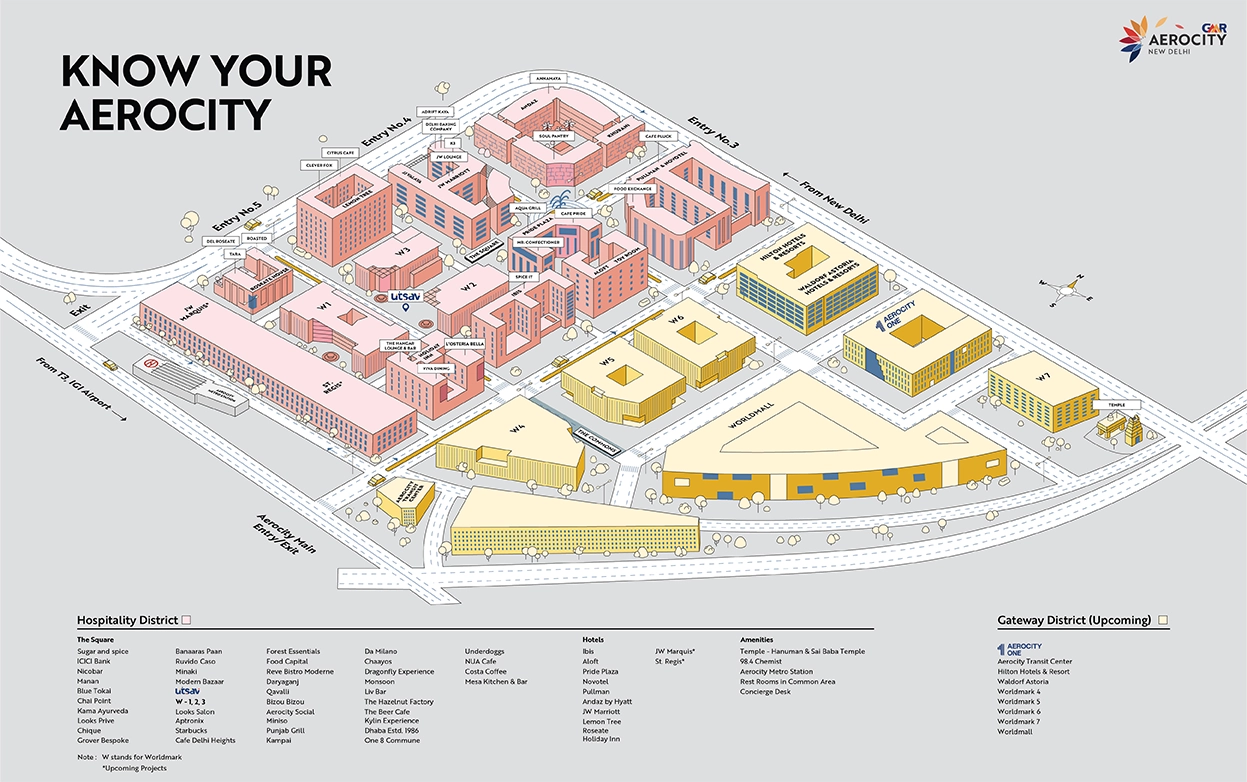
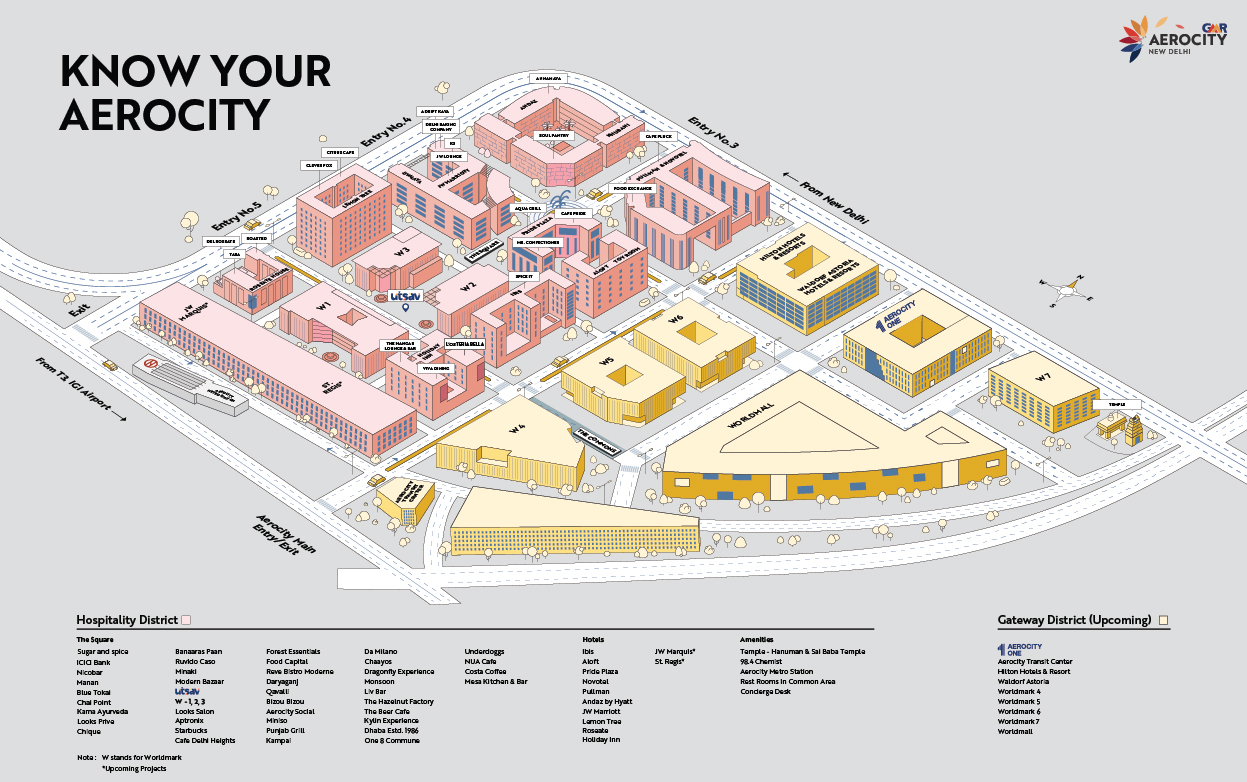
These leadership qualities flourish in environments designed for connection and collaboration. Places like GMR Aerocity embody this principle, bringing together diverse professionals in spaces that encourage interaction across traditional boundaries. When people from different industries, cultures, and backgrounds share physical proximity, the same adaptability and team spirit that drives athletic excellence naturally emerges.
The modern workplace increasingly recognises that innovation happens at intersections. Flexible work environments, cultural diversity, and community-building initiatives aren’t perks; they’re strategic advantages that develop the exact capabilities teams need to thrive. Just as athletes perform best in environments that support their holistic development, professionals excel in spaces that nurture resilience, encourage adaptability, and foster genuine connection. The future of leadership will belong to those who learn these lessons: that sustainable success requires the long-view discipline of resilience, the cultural fluency of adaptability, and the authentic relationships of team spirit. The playing field has always taught these truths. The question is whether we’re ready to apply them.
Recent Posts


Follow us on: