Doing More With Less: Why Resource Efficiency Is Redefining the Modern Workplace


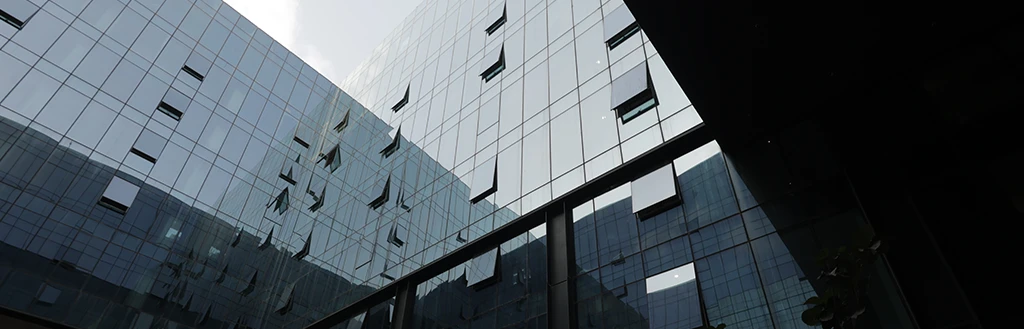
What makes a workplace truly efficient? It is not just about having the right location, better amenities or more technology. It is also about how thoughtfully the space uses what it has.
As workplaces become larger and more connected, the way they consume energy, water and other resources matters more than ever. Sustainability is moving beyond something that sits in a report or appears on a checklist. It is becoming part of the everyday systems that keep a workplace running.
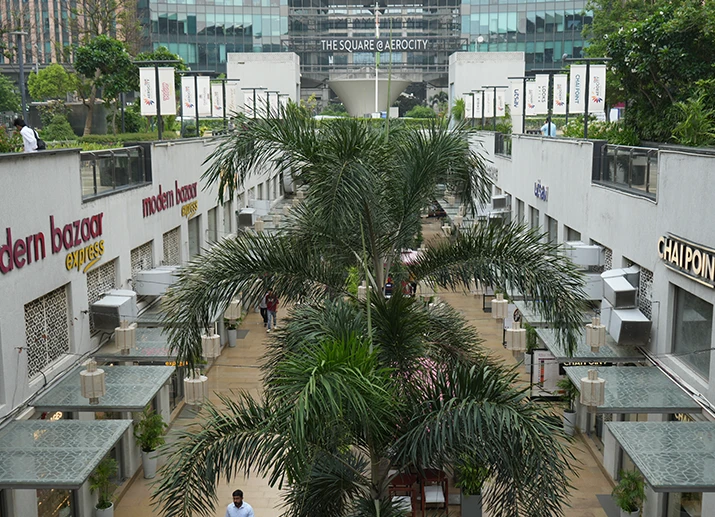
At GMR Aerocity, resource efficiency is built into the way the district operates, helping create a more sustainable environment without compromising on the experience of the people who use it.
The New Measure of a High-Performance Workplace
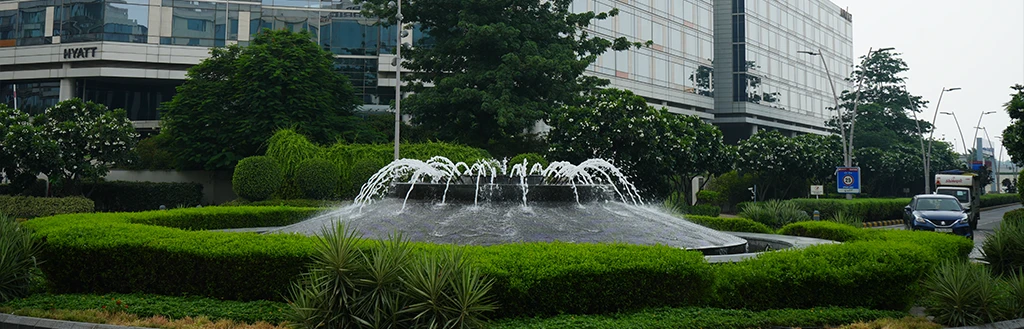
A high-performing workplace should work efficiently in more ways than one. Alongside space, connectivity and amenities, resource efficiency is increasingly becoming part of the equation.
At GMR Aerocity, this is reflected in how water is managed across the district. 99.06% of rainwater is harvested at the city level, with a total rainwater harvesting capacity of 2,053 cubic metres. The district also has 195 KL of recycled water available every day, which is used entirely for green area irrigation and road cleaning.
The idea is simple: resources should not be used once and forgotten. Where possible, they can be captured, treated and put back to work.
When Buildings Become Smarter
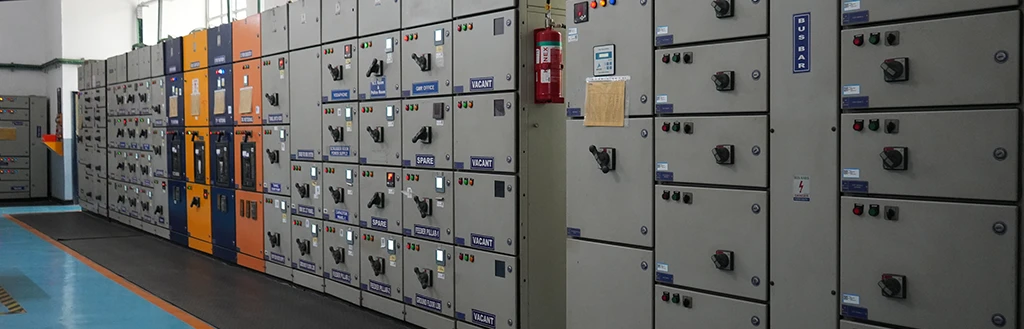
Efficiency also comes from knowing when and where resources are actually needed.
At GMR Aerocity, a Building Management System provides real-time tracking of water and power consumption, helping monitor performance and identify inefficiencies. The district’s street lighting network uses energy-efficient LED fixtures with automated controls, allowing lighting systems to operate more efficiently.
Renewable energy adds another layer to this approach. A 420 kWp on-site solar PV system is designed to generate around 5.25 lakh kWh annually, contributing approximately 28% of the net annual common-area electricity demand.
It is a reminder that smarter workplaces are not necessarily about adding more technology. Sometimes, it is about using technology to make existing systems work better.
Waste Less, Create More Value
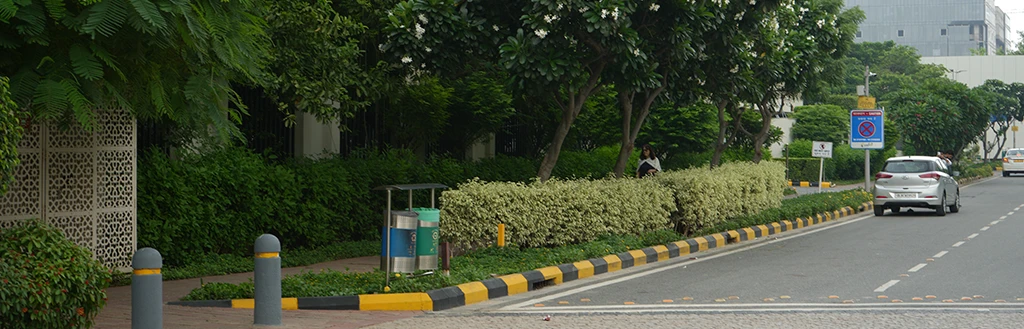
Resource efficiency does not stop with energy and water. What happens to everyday waste is just as important.
Across the district, wet and dry waste bins are placed at intervals of less than 200 metres, while waste is segregated across multiple streams including horticulture, metal and wood. Metal and wood waste are also recycled through in-house practices, and GMR Aerocity has achieved Net Zero Waste to Landfill through a certified waste management agency.
Even water consumption reflects this focus. In common areas of the hospitality district, consumption stands at 5 litres per capita per day, representing an 89% reduction against the benchmark.
These may seem like operational details, but at the scale of a commercial district, small efficiencies can add up to a meaningful difference.
Sustainability You Don’t Have to See
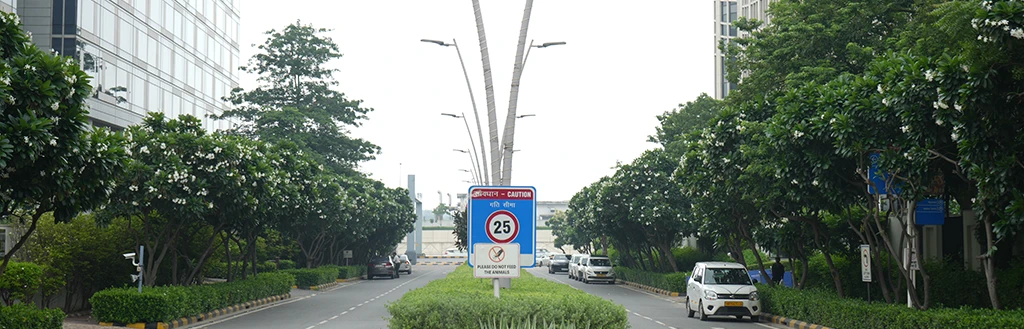
Some of the most effective sustainability measures are the ones people barely notice.
A light switching off automatically. Recycled water keeping landscaped areas green. Solar energy contributes to everyday operations. Waste being separated before it leaves the building.
These systems work quietly in the background, making resource efficiency part of the everyday experience rather than something occupants have to think about constantly.
And perhaps that is what makes sustainable workplaces more effective. The better the systems become, the less sustainability needs to feel like an extra effort.
Rethinking What a High-Performance Workplace Means
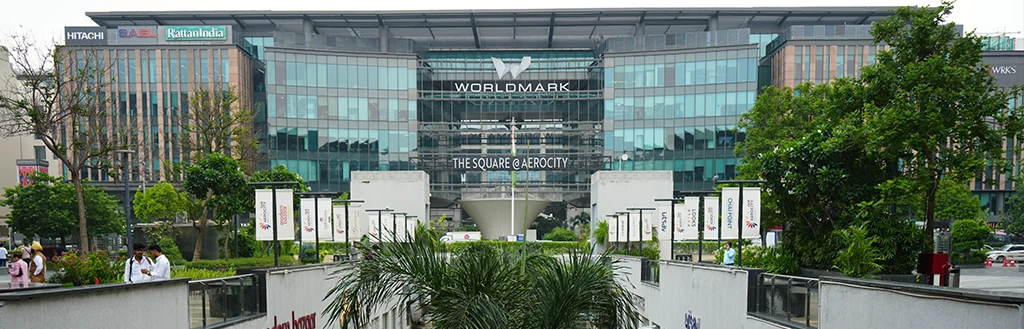
The workplace of the future will not necessarily be defined by how much it has, but by how intelligently it uses what it has.
At GMR Aerocity, resource efficiency is being built into everyday operations through smarter monitoring, renewable energy, water reuse and responsible waste management. Together, these systems support a workplace that is designed not only to perform today, but to use its resources more thoughtfully for the future.
Because doing more with less is not just a sustainability goal. It is becoming part of what better workplaces look like.
Recent Posts
-
From Car-Centric to People-Centric: How Business Districts Are Being Reimagined
September 17, 2026 Read More -
The Intersection of Connectivity, Design and Business
August 20, 2026 Read More -
Sustainability Beyond the Blueprint: How GMR Aerocity Lives Its Green Promise Every Day
August 18, 2026 Read More
Follow us on: