How Leaders Like Vikas Sharma Are Transforming Hospitality into an Economic Driver



The hospitality business has evolved far beyond its traditional role of simply providing accommodation and dining services. Today, visionary leaders are reimagining hospitality as a powerful catalyst for economic transformation, creating integrated ecosystems that drive employment, boost local economies, and position regions as globally competitive destinations. This shift represents a fundamental change in how we understand the tourism and hospitality sector’s contribution to national prosperity.
The New Economic Architecture of Hospitality

Modern hospitality leadership requires more than operational excellence—it demands a strategic vision that recognises hospitality infrastructure as essential economic architecture. Leaders like Vikas Sharma understand that world-class hospitality developments don’t merely serve travellers; they create multiplier effects throughout entire regional economies. When done right, these developments generate thousands of direct and indirect jobs, attract foreign investment, and establish destinations that compete on the global stage.
The economic impact extends through multiple channels. Construction and development create immediate employment opportunities. Once operational, these hospitality hubs require an extensive workforce across service delivery, maintenance, security, and management. Perhaps most significantly, they attract ancillary businesses—from transportation services to retail outlets—creating a vibrant commercial ecosystem that benefits the broader community.
Innovation as a Leadership Imperative

Transformative hospitality leaders distinguish themselves through innovation that anticipates market needs before they fully materialise. This forward-thinking approach means developing mixed-use spaces that cater to business travellers during weekdays and leisure visitors on weekends, creating year-round economic activity rather than seasonal fluctuations.
The hospitality business model has become increasingly sophisticated, incorporating technology, sustainability, and experiential offerings that command premium pricing while delivering exceptional value. Leaders who successfully navigate this complexity create destinations that become economic anchors for their regions, attracting not just tourists but business conferences, international events, and corporate headquarters.
Building Sustainable Economic Models

Sustainability has emerged as both an ethical imperative and an economic advantage in modern hospitality. Forward-thinking leaders recognise that green building practices, energy efficiency, and waste reduction aren’t just environmental considerations—they’re operational efficiencies that improve profitability while enhancing brand reputation.
Moreover, sustainable hospitality developments create long-term value that extends beyond immediate returns. They establish regions as responsible tourism destinations, attracting environmentally conscious travellers and businesses that prioritise sustainability in their supply chains. This positioning becomes increasingly valuable as global awareness of climate impact grows.
The Integration Advantage

The most impactful hospitality leaders understand that integration creates competitive moats. By developing comprehensive destinations that offer accommodation, dining, entertainment, business facilities, and retail in seamless proximity, they eliminate friction points in the guest experience while maximising economic capture within their ecosystem.
This integrated approach transforms tourism and hospitality from a fragmented collection of services into a cohesive economic engine. Visitors spend more when everything they need exists in one convenient, high-quality location. Businesses choose to establish a presence where infrastructure already exists. The result is accelerating growth that compounds over time.
GMR Aerocity: A Case Study in Visionary Hospitality Leadership

The transformation of hospitality into an economic driver finds perhaps its most compelling example in GMR Aerocity, where strategic vision meets operational excellence to create India’s premier integrated hospitality and business destination. Under leadership that understands the sector’s economic potential, GMR Aerocity has become a blueprint for how the hospitality business can catalyse regional prosperity.
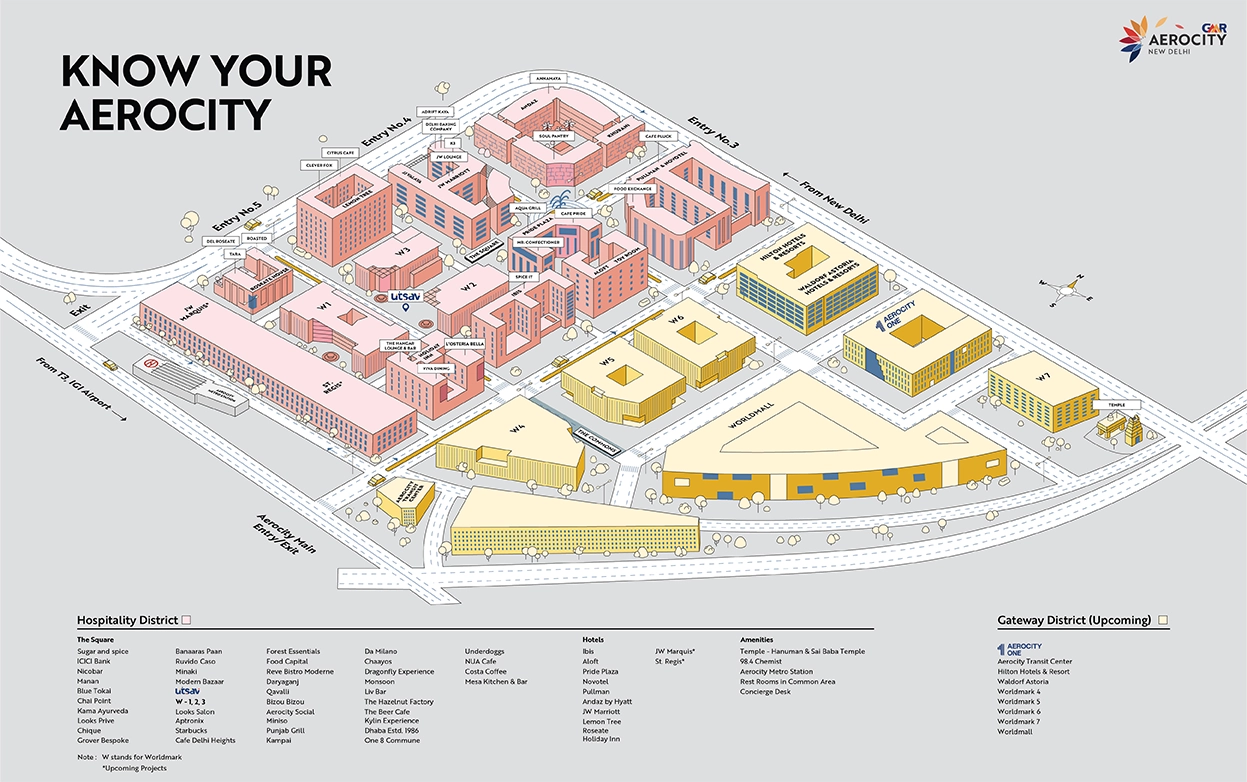
Strategically positioned adjacent to Delhi International Airport, GMR Aerocity leverages location as a foundational advantage while building far beyond it. The development features 11 of the world’s most renowned hotel brands, ranging from luxury five-star properties to premium business hotels. This diversity ensures the destination serves multiple market segments simultaneously—international business travelers requiring world-class facilities, domestic tourists seeking premium experiences, and corporate clients hosting conferences and events.
The economic multiplier effects are substantial. The hotels in Aerocity Delhi collectively employ thousands of staff across operations, management, housekeeping, culinary arts, and guest services. Beyond direct employment, the ecosystem supports transportation providers, suppliers, maintenance contractors, and countless other businesses that serve the hospitality sector.
But GMR Aerocity’s economic impact extends well beyond accommodation. The destination has cultivated a vibrant F&B ecosystem featuring over 100 of the world’s most distinguished dining brands. From fine-dining restaurants in Aerocity offering exquisite culinary experiences to casual dining options serving diverse cuisines, the food and beverage sector makes a substantial economic contribution through employment, supplier relationships, and visitor spending.
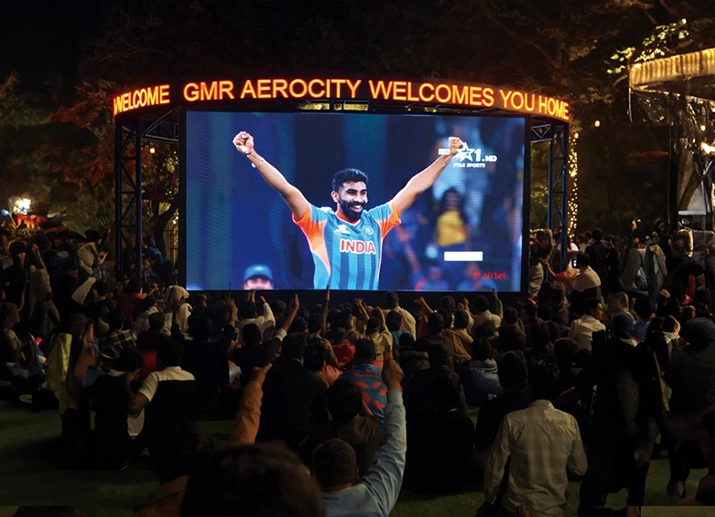
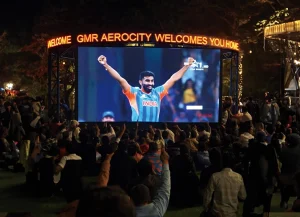
The leadership’s innovation is evident in how GMR Aerocity functions as a dynamic, event-driven destination rather than a static infrastructure. Regular weekend markets, live performances, brand activations, and seasonal showcases maintain visitor interest and spending throughout the year. This event-centric strategy ensures consistent economic activity while building the destination’s reputation as a lifestyle hub rather than purely a transactional hospitality space.
Conclusion: Leadership That Shapes Economic Futures

The transformation of tourism and hospitality into a primary economic driver requires visionary leadership that sees beyond quarterly returns to generational impact. Leaders like Vikas Sharma demonstrate that hospitality infrastructure, when conceived and executed with strategic ambition, becomes foundational to regional economic development. As shown by GMR Aerocity’s success, the modern hospitality business isn’t just about serving guests—it’s about building economic ecosystems that create jobs, attract investment, and establish globally competitive destinations. This leadership model offers a roadmap for how hospitality can drive prosperity across India and beyond.
Recent Posts


Follow us on: