Why Global Businesses Are Choosing Airport-Centric Cities Over Traditional CBDs



The corporate real estate landscape is experiencing a fundamental shift. While traditional central business districts have long dominated as the preferred locations for multinational corporations, a new paradigm is emerging. Forward-thinking companies are increasingly choosing airport-centric business districts over conventional CBDs, recognising that proximity to air connectivity offers strategic advantages that static downtown locations simply cannot match.
The Evolution of Business Districts: From Downtown to Sky-High Connectivity
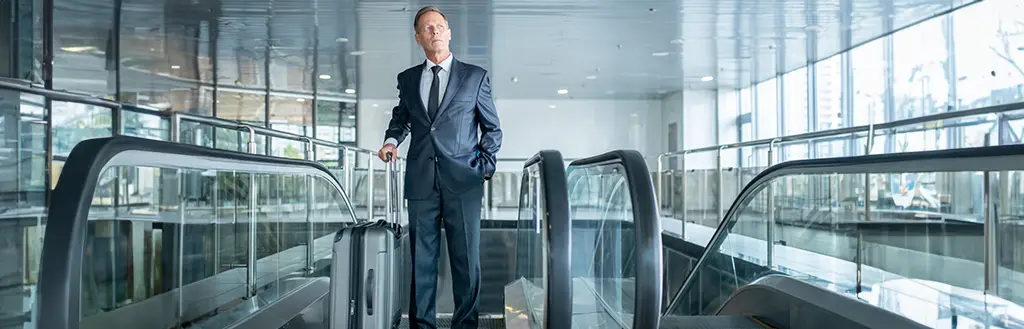
For decades, the central business district represented the pinnacle of corporate prestige. Companies clustered in financial centres like Wall Street, Canary Wharf, or Connaught Place, believing that physical proximity to banking institutions and government offices was essential. However, the modern global economy operates differently. Today’s businesses require seamless international connectivity, rapid deployment capabilities, and infrastructure that supports a mobile, globally distributed workforce.
Traditional CBDs, despite their historical significance, often struggle with outdated infrastructure, congested transportation networks, and limited expansion possibilities. These limitations have become increasingly apparent as businesses recognise that their most valuable asset, time, is being consumed by inefficient logistics and accessibility challenges.
Why Airport-Adjacent Business Districts Are Winning the Competition

Superior Connectivity Transforms Business Operations
The primary advantage of airport-centric business districts lies in unparalleled connectivity. When your office sits minutes from an international airport, global business becomes fundamentally easier. Executives can attend morning meetings in Mumbai and evening presentations in Singapore without losing productive office time to lengthy commutes across congested cities.
This connectivity advantage extends beyond executive travel. For businesses dependent on time-sensitive cargo, rapid prototyping, or frequent client visits, proximity to airport infrastructure can mean the difference between winning and losing competitive bids. Global business hubs emerging near major airports offer what traditional CBD business district locations cannot: the ability to move people, products, and ideas across continents with minimal friction.
Cost-Effectiveness Without Compromising Quality
Airport-centric locations typically offer superior value propositions compared to traditional business districts. While downtown real estate commands premium prices driven by historical demand and limited supply, airport-adjacent developments often provide Grade-A office space at more competitive rates. Companies can access modern infrastructure, cutting-edge amenities, and prestigious addresses without the inflated costs associated with legacy CBDs.
This cost advantage becomes particularly significant when calculating total occupancy expenses. Businesses save on transportation subsidies for employees, reduce time-waste from commuting, and often benefit from more favourable lease terms in these emerging business districts.
Modern Infrastructure Built for Contemporary Business Needs
Unlike traditional central business districts constrained by century-old urban planning, airport-centric developments are purpose-built for modern business requirements. These business districts incorporate smart building technologies, sustainable design principles, and flexible spaces that adapt to evolving work styles.
The infrastructure advantages extend to digital connectivity as well. Airport-adjacent business districts typically feature redundant fibre-optic networks, advanced telecommunications infrastructure, and the kind of reliable, high-speed connectivity that global businesses require for cloud-based operations, video conferencing, and data-intensive applications.
Access to Diverse Talent Pools
Airport-centric business districts benefit from expanded talent accessibility. Employees living across metropolitan regions can reach these locations more easily than navigating congested routes to downtown CBDs. Furthermore, the international connectivity makes it simpler to bring in specialised talent for short-term projects, training sessions, or collaborative initiatives.
The lifestyle amenities typically integrated into airport-adjacent developments, hotels, restaurants, retail, and entertainment create attractive work environments that help companies compete for top talent in competitive markets.
GMR Aerocity: The Blueprint for Next-Generation Business Districts

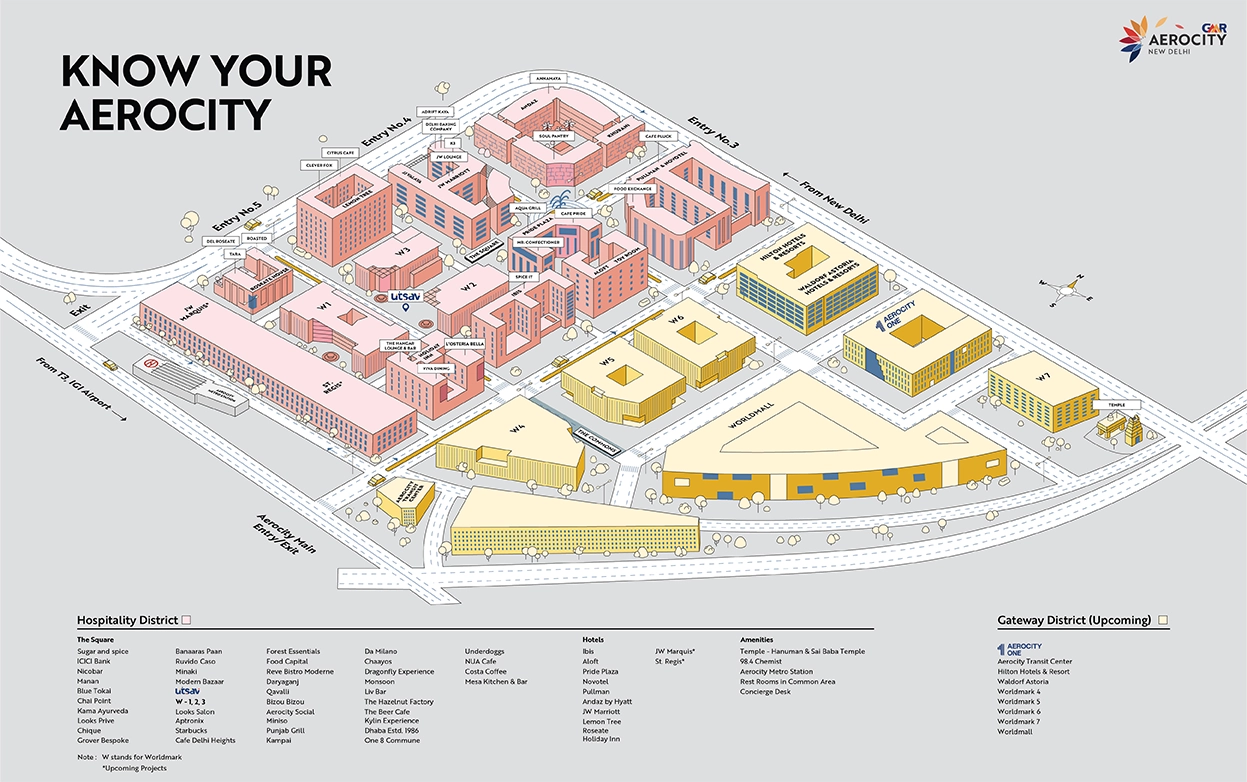
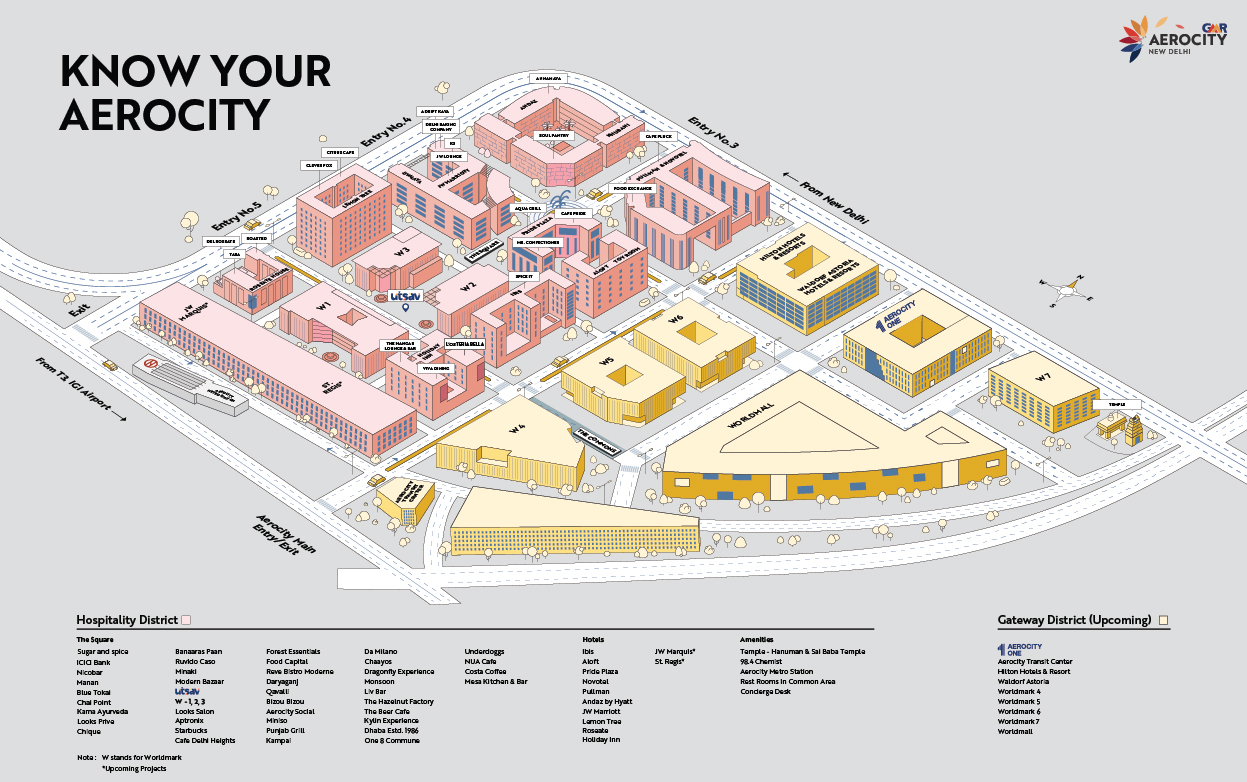
GMR Aerocity in New Delhi exemplifies why global businesses are gravitating toward airport-centric locations. Strategically positioned adjacent to Indira Gandhi International Airport, this integrated development demonstrates how modern business districts can transcend the limitations of traditional CBDs while delivering superior functionality.
Seamless Global Business Operations
Located just minutes from one of Asia’s busiest international airports, GMR Aerocity eliminates the typical friction between office and airport. International executives can move from a conference room to a departure gate in under fifteen minutes, a logistics advantage that is impossible in conventional central business district locations. This proximity transforms how businesses operate, enabling same-day international meetings and reducing the productivity loss traditionally associated with business travel.
The office space in Aerocity includes premium commercial towers like Worldmark, ARIA, and Andaz Commercial Tower, offering Grade-A specifications with intelligent building systems, sustainable design, and infrastructure that meet international corporate standards.
Integrated Ecosystem Supporting Business Excellence
What distinguishes GMR Aerocity from traditional business districts is its comprehensively integrated ecosystem. Beyond office space, the development includes luxury hotels, fine dining establishments, retail options, and wellness facilities, all within a pedestrian-friendly environment. This integration means business visitors never need to leave the district for hospitality, dining, or meeting requirements.
For companies embracing flexible work models, the coworking space in Aerocity provides options through providers like CoWrks, Innov8, and Atelier. These facilities offer businesses the agility to scale operations, accommodate project teams, or establish satellite presences without long-term commitments.
Future-Ready Infrastructure for Growing Enterprises
GMR Aerocity’s purpose-built infrastructure addresses contemporary business requirements that many traditional global business hubs struggle to accommodate. Advanced telecommunications networks, sustainable building certifications, and smart facility management systems create an environment where businesses can focus on growth rather than infrastructure limitations.
The development’s integrated services, from concierge support to shuttle services, demonstrate how modern business districts can enhance operational efficiency. Companies reduce overhead costs while providing employees with seamless experiences that boost satisfaction and productivity.
Conclusion
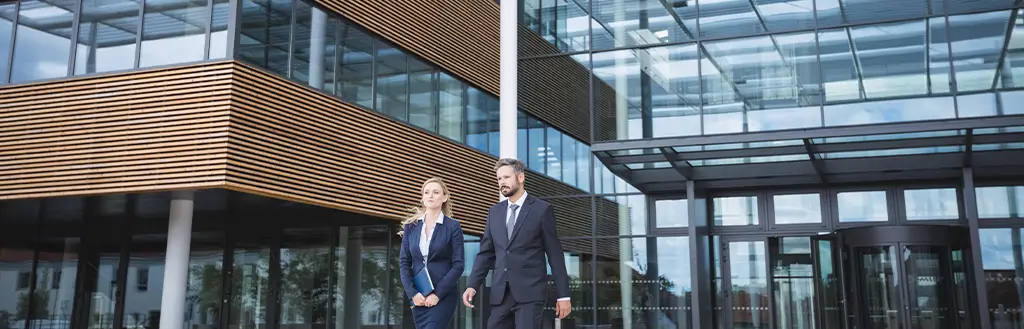
The migration from traditional central business districts to airport-centric locations represents more than a real estate trend; it signals a fundamental rethinking of how global businesses operate. As commerce becomes increasingly international and time-sensitive, proximity to air connectivity transforms from a convenience into a competitive necessity. Airport-adjacent business districts like GMR Aerocity offer the infrastructure, connectivity, and integrated ecosystems that contemporary enterprises require. For businesses evaluating their next office location, the question is no longer whether to consider airport-centric options, but whether they can afford not to. The future of global business hubs is taking flight, and it’s departing from terminals, not traditional downtown towers.
Recent Posts


Follow us on:


RECENT BLOGS
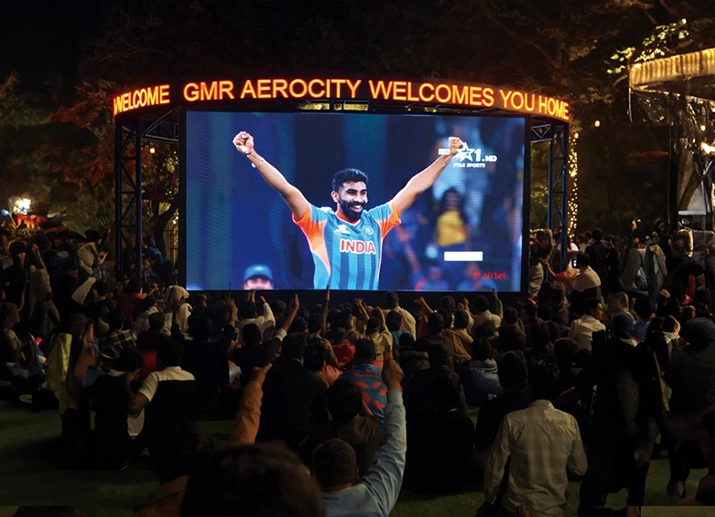
When Cricket Meets Cuisine: The Unbeatable Community Spirit of GMR Aerocity
February 17, 2026 Read More