Why The Next Generation Experiences Cities Differently

Something has quietly shifted in how people move through cities. Not where they go, but why, and what they expect when they get there.
The modern urban lifestyle isn’t structured around fixed destinations anymore. There’s no longer a clean separation between the coffee run, the work call, the catch-up with a friend, and the evening wind-down. These moments bleed into each other, and increasingly, younger audiences want the spaces they inhabit to reflect exactly that fluidity.
This isn’t a story about one generation opting out of social life. It’s about an entire demographic rewriting what social life looks like.
From Destinations to Ecosystems

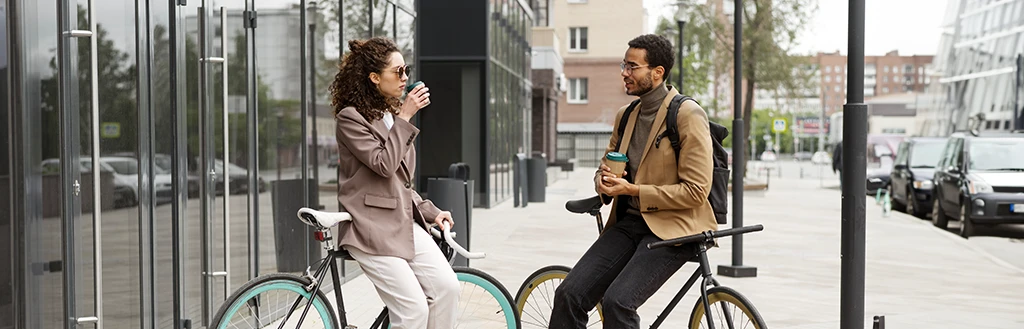
Previous urban behaviour was largely destination-led. Today’s movement through a city is more layered. A morning can begin at a café with a laptop open, shift into a coworking session, drift into an unplanned lunch with someone from the next table, and wrap up at a courtyard with ambient music. No itinerary. No fixed plan. Just an environment that made it all possible in one uninterrupted flow.
This is the heart of experiential living, not curated experiences, but the freedom to let experiences accumulate naturally within a single, socially alive space.
The Third Space Is Now the Main Space

Sociologists have long described the “third space”, the environment that exists between home and work, where social life actually happens. For earlier generations, this was the neighbourhood bar, the marketplace, the town square.
For today’s urban audiences, the third space has expanded and blurred. A café is now also a coworking zone. A hotel lobby is now also a meeting venue. A public courtyard is now also a cultural event space. The demand driving urban living trends isn’t for more venues, it’s for spaces that hold multiple social functions without feeling forced.
What this audience resists is compartmentalisation. They don’t want to move between isolated boxes. They want environments that feel connected, where the transition from focused to social to exploratory requires nothing more than a short walk.
Walkability Is Not a Convenience, It’s a Value
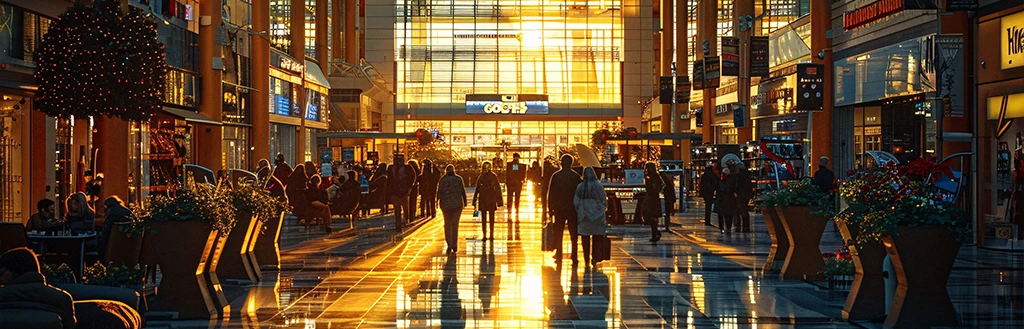
Discoverability matters enormously now. The ability to stumble upon something, a pop-up, a new restaurant, an unexpected event, is part of what makes an environment feel alive. Walkability isn’t just a logistical preference; it signals that a place was designed with human curiosity in mind.
When a district is dense with layered offerings and easy to move through on foot, it becomes a place people stay in rather than pass through. That distinction is what separates a venue from a community.
GMR Aerocity and the Integrated District Model
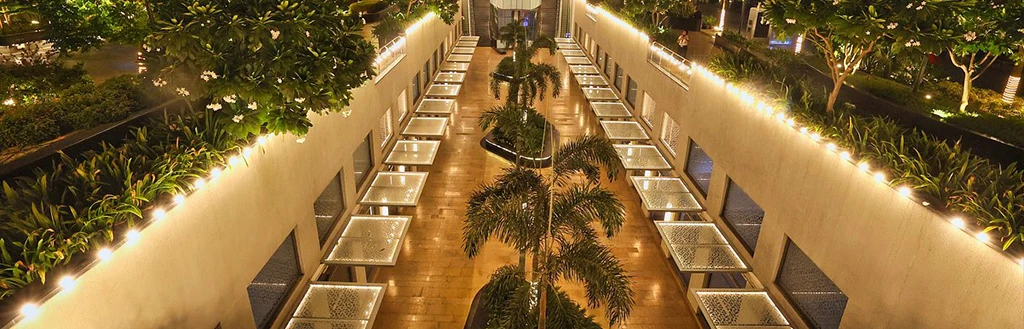
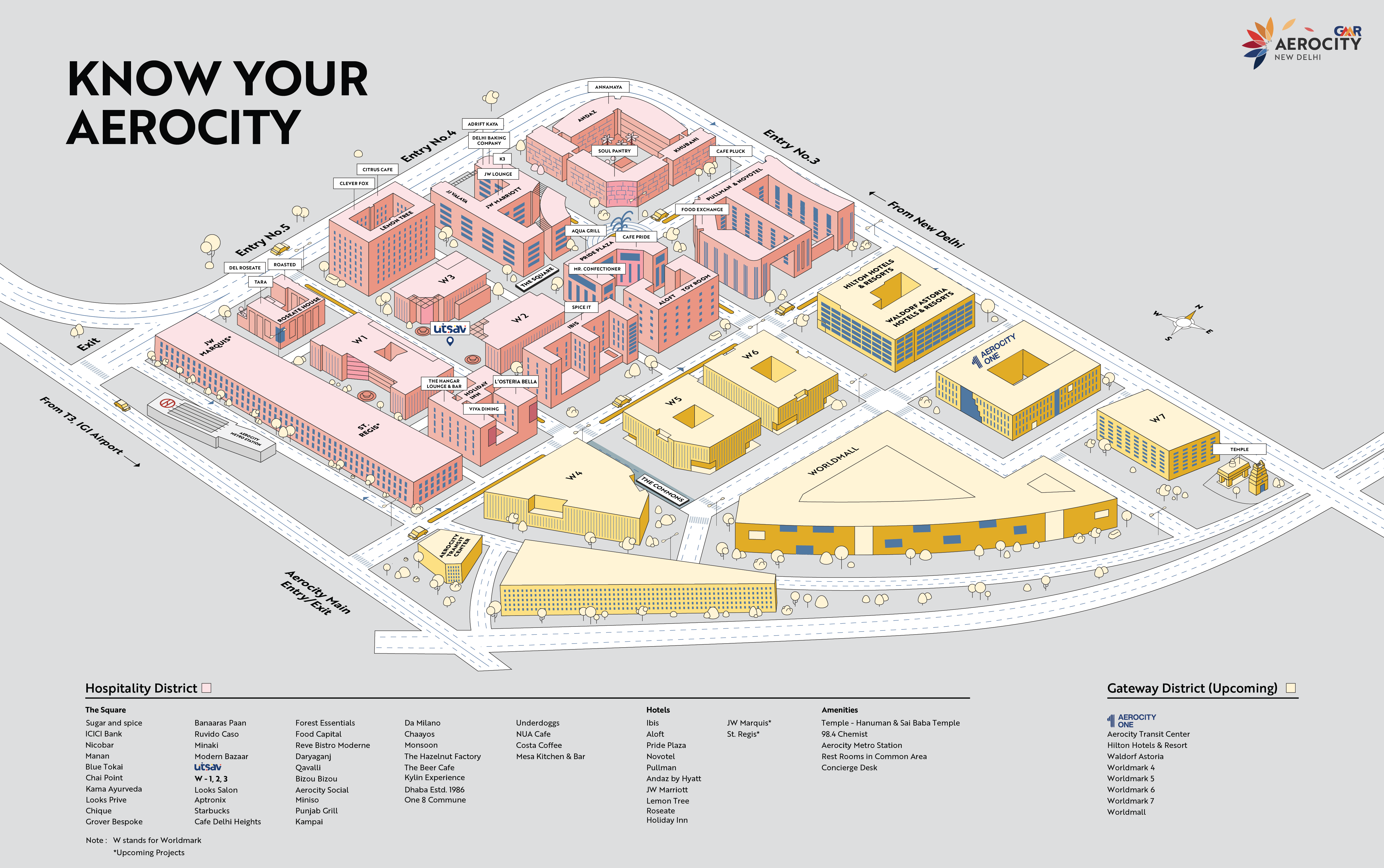
This cultural shift is precisely why integrated districts like GMR Aerocity resonate so naturally with how modern audiences actually live. Spanning work, dining, retail, wellness, hospitality, and culture within a single connected environment, GMR Aerocity doesn’t ask visitors to choose between their needs; it lets all of them coexist.
A professional might begin the morning in a coworking suite, step into one of the many F&B outlets for lunch, take a wellness break, and end the evening at a curated dining experience, all without leaving the district. This is an environment built around how people actually want to move through their day.
This generation isn’t experiencing cities less. They’re experiencing them more intentionally and they’re drawn to the places that were built to keep up.
Recent Posts

Follow us on: